Art Therapy for Mental Health: A Gentle Path to Healing
- Trish Ann

- Mar 4
- 4 min read
When life feels overwhelming, and emotions swirl in ways that are hard to express, finding a safe outlet can be a lifeline. We've discovered that art therapy offers a unique and compassionate way to explore feelings, especially when dealing with anxiety and depression. It’s not about creating a masterpiece or having any artistic skill. Instead, it’s about using creativity as a bridge to understanding and healing.
Art therapy has become a beacon of hope for many, providing a gentle, nonverbal way to process emotions. Whether you’re a child, a teen, or an adult, this approach invites you to connect with your inner world in a supportive and nurturing environment. Let me walk you through what art therapy is, how it works, and why it might be the right choice for you or someone you care about.
What Is Art Therapy and How Does It Help?
Art therapy is a form of psychotherapy that uses creative activities like drawing, painting, sculpting, or collage-making to help people express their feelings. Unlike traditional talk therapy, art therapy taps into the subconscious and allows emotions to surface in a visual and tangible way.
When anxiety or depression takes hold, words can sometimes feel limiting or too difficult to find. Art therapy offers a different language - one of colors, shapes, and textures. This can be incredibly freeing. It helps to:
Reduce stress and anxiety by focusing on the creative process.
Improve mood through self-expression.
Increase self-awareness by revealing hidden feelings.
Build coping skills in a safe, supportive space.
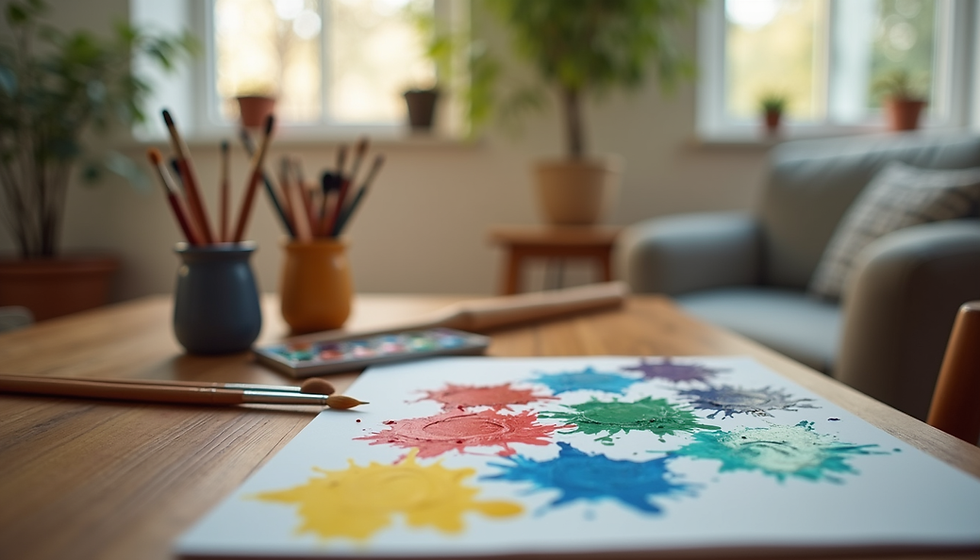
For example, a simple exercise might involve drawing your feelings as colors or shapes. You might start with a scribble and then explore what that scribble means to you. This process can uncover emotions you didn’t realize were there and help you make sense of them.

Exploring Art Therapy for Mental Health: Who Can Benefit?
One of the most beautiful things about art therapy is its accessibility. It’s not just for artists or those with a background in art. It’s for anyone who wants to explore their emotions in a new way. Children, teens, and adults alike can find comfort and insight through this approach.
Children often find it easier to express feelings through drawing or play rather than words. Art therapy can help them process trauma, anxiety, or sadness in a way that feels safe.
Teens may struggle with identity, peer pressure, or mood swings. Art therapy offers a private, creative outlet to explore these challenges.
Adults facing depression, anxiety, or life transitions can use art therapy to reconnect with themselves and find new ways to cope.
The process is guided by a trained art therapist who creates a warm, nonjudgmental space. You don’t have to worry about “doing it right.” The focus is on the experience, not the end product.

How to Get Started with Art Therapy
If you’re curious about trying art therapy, here are some simple steps to begin your journey:
Find a qualified art therapist - Look for someone with professional training and experience. They will guide you through the process and tailor sessions to your needs.
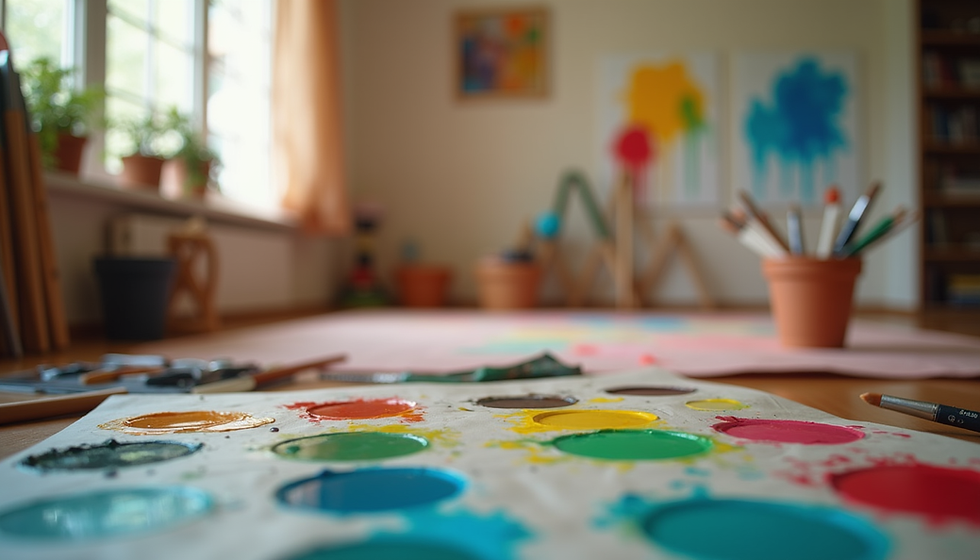
Create a comfortable space - Whether at home or in a therapy room, having a quiet, inviting place to create helps you relax.
Gather basic supplies - You don’t need fancy materials. Paper, pencils, crayons, paints, and glue are enough to start.
Set an intention - Think about what you want to explore or express. It could be a feeling, a memory, or simply a desire to relax.
Allow yourself to be open - Remember, there’s no right or wrong way to do this. Let your creativity flow without judgment.
You might begin with simple prompts like “Draw how you feel today” or “Create a safe place.” Over time, these exercises can deepen your understanding of yourself and your emotions.
Practical Tips for Using Art Therapy at Home
While working with a therapist is ideal, you can also incorporate art therapy techniques into your daily life. Here are some gentle ways to use creativity to support your mental health:
Keep a visual journal - Combine writing and drawing to track your moods and thoughts.
Use colors to express emotions - Choose colors that match your feelings and create abstract art.
Try mindful drawing - Focus on the movement of your hand and the texture of the materials to stay present.
Create a gratitude collage - Cut out images or words that represent things you’re thankful for.
Make a worry box - Draw or write your worries on paper, then place them in a box to symbolically set them aside.
These activities can be especially helpful during moments of stress or when you feel stuck. They offer a way to pause, reflect, and reconnect with yourself.
Embracing Healing Through Creativity
Art therapy is more than just a creative outlet - it’s a path to healing. It invites you to slow down, listen to your inner voice, and express what might be hard to say aloud. For those struggling with anxiety or depression, this gentle approach can bring relief and hope.
If you or someone you know is looking for a new way to cope, I encourage you to explore art therapy for anxiety and depression. It’s a compassionate, empowering journey that honors your unique story and supports your growth.
Remember, healing doesn’t have to be perfect or linear. It’s about taking small steps, being kind to yourself, and finding light in the creative process.
Thank you for joining me on this exploration of art therapy. May your creative journey bring you peace, understanding, and renewed strength.