


What Is Art Therapy and How Art Therapy Works

When life feels overwhelming, sometimes words alone aren’t enough to express what’s inside. That’s where art therapy steps in, offering a gentle, creative path to healing and self-discovery. I’ve always found that creating something with my hands can unlock feelings and thoughts that are hard to put into words. If you’ve ever wondered what is art therapy and how does it work, you’re in the right place. Let’s explore this beautiful approach together.
Understanding Art Therapy: A Creative Healing Journey
Art therapy is a form of psychotherapy that uses the creative process of making art to improve a person’s mental, emotional, and even physical well-being. It’s not about being an artist or creating a masterpiece. Instead, it’s about using art as a tool to explore feelings, reduce stress, and gain insight into oneself.
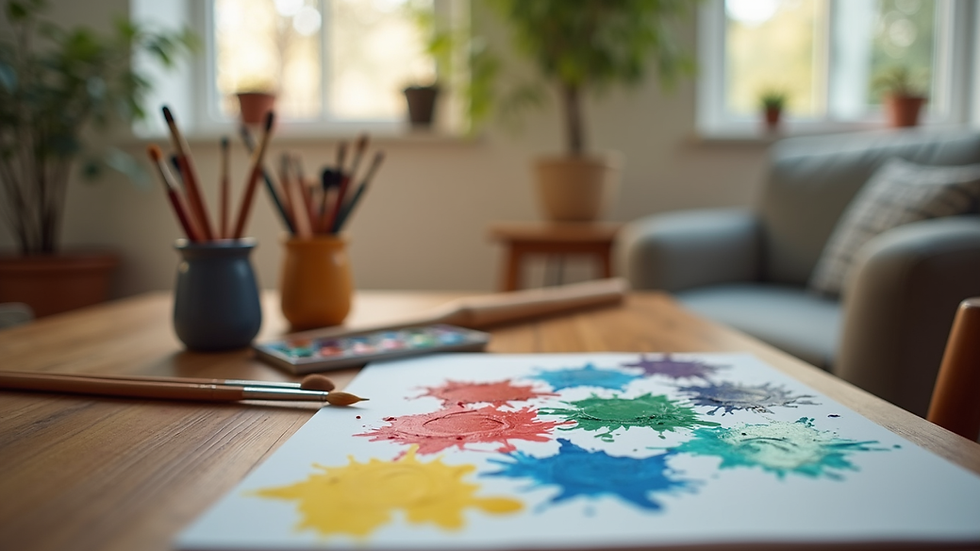
Imagine sitting with a blank canvas, some paints, or clay, and letting your emotions guide your hands. The colors, shapes, and textures you create become a language of their own. This process helps you connect with your inner world in a way that talking sometimes can’t reach.
Art therapy is guided by trained therapists who understand how to use art materials and techniques to support healing. They create a safe, non-judgmental space where you can express yourself freely. Whether you’re a child struggling with anxiety, a teen navigating identity, or an adult facing trauma, art therapy offers a unique way to explore and heal.
How Art Therapy Works: The Process Behind the Healing
You might be curious about how art therapy actually works. It’s a blend of psychology and creativity, where the act of making art becomes a bridge to understanding and growth.
Here’s a simple breakdown of the process:
Creating Art - You start by choosing materials and creating something that reflects your feelings or experiences. This could be drawing, painting, sculpting, or collage.
Reflection - After creating, you and the therapist look at the artwork together. This step is about exploring what the art might mean and how it connects to your emotions or life story.
Discussion - The therapist helps you put words to your feelings and thoughts, using the artwork as a starting point. This can reveal hidden emotions or patterns.
Integration - Over time, you learn new ways to cope, understand yourself better, and make positive changes in your life.
Art therapy works because it taps into the brain’s natural ability to heal through creativity. It bypasses the need for verbal explanation, which can be especially helpful when emotions feel too big or confusing.
What is an Example of Art Therapy?
Let me share a simple example that might resonate with you. Imagine a teenager who feels overwhelmed by school pressure and social anxiety. In art therapy, they might start by drawing abstract shapes and colors that represent their stress. The therapist notices that the colors are dark and the shapes are jagged.
Together, they explore what these images mean. The teen might realize that the jagged shapes feel like the “noise” in their mind, and the dark colors represent sadness or fear. Through this process, the teen gains awareness of their feelings and begins to find ways to manage them, like using calming colors or creating more balanced shapes in future sessions.
Another example could be a child who has experienced trauma. Instead of talking about painful memories directly, the child might use clay to build a safe place or a protective figure. This creative act helps the child feel more in control and supported, opening the door to healing at their own pace.
These examples show how art therapy adapts to each person’s needs, making it a flexible and compassionate approach.
Benefits of Art Therapy: More Than Just Making Art
Art therapy offers a wide range of benefits that go beyond simply creating something beautiful. Here are some of the ways it can support your well-being:
Emotional Expression: It provides a safe outlet for feelings that might be hard to say out loud.
Stress Reduction: The creative process can be calming and meditative, helping to lower anxiety.
Self-Discovery: Art reveals hidden thoughts and patterns, helping you understand yourself better.
Improved Communication: It can enhance your ability to express emotions and needs.
Trauma Healing: Art therapy helps process difficult experiences gently and safely.
Boosted Confidence: Creating art and sharing it can build self-esteem and a sense of accomplishment.
One of the most beautiful things about art therapy is that it meets you where you are. You don’t need any special skills or experience. The focus is on your personal journey, not the final product.
How to Get Started with Art Therapy
If you feel drawn to try art therapy, here are some practical steps to help you begin:
Find a Qualified Art Therapist - Look for someone with proper training and credentials. Many therapists offer sessions in person or online.
Prepare Your Space - Whether at home or in a studio, create a comfortable area with basic art supplies like paper, paints, markers, or clay.
Set Your Intention - Think about what you want to explore or heal. It could be stress, grief, self-esteem, or simply curiosity.
Be Open and Patient - Remember, there’s no right or wrong way to do this. Allow yourself to experiment and express without judgment.
Reflect and Share - After creating, take time to look at your work and notice what comes up. If you’re working with a therapist, share your thoughts and feelings.
Even if you’re not ready for formal therapy, you can start by journaling with art or joining community art groups focused on wellness. The key is to make space for creativity and self-expression in your life.
Embracing Your Inner Artist for Healing and Growth
Art therapy invites us to reconnect with a part of ourselves that often gets lost in the busyness of life - our creativity and emotional truth. It’s a gentle reminder that healing doesn’t always have to be serious or clinical. Sometimes, it’s about picking up a brush, molding some clay, or simply doodling your feelings onto paper.
If you’ve ever felt stuck or overwhelmed, I encourage you to explore this path. Art therapy can be a powerful companion on your journey toward emotional balance and personal growth. Remember, it’s not about what you create but what your creation reveals about you.
Take that first step. Your story is waiting to be told in colors, shapes, and textures only you can make.

I hope this glimpse into art therapy has inspired you to consider how creativity might support your well-being. Whether you’re seeking comfort, clarity, or connection, art therapy offers a warm, welcoming space to explore your inner world.


